DISRUPTING ONE
OF THE LARGEST GLOBAL
HEALTHCARE MARKETS
Dialysis in end-stage renal disease
- 25 million people worldwide are expected to suffer from kidney failure (end-stage renal disease)
- 3rd fastest global growing cause of death
- 11th leading global cause of death
- Renal disease consumes 7% of U.S. Medicare budget
Global Dialysis Market Revenue
- Key factors: diabetes, high blood pressure, obesity
- High blood sugar and high blood pressure damages blood vessels and nephrons (tiny filters) in kidneys, ultimately leading to kidney failure
- Patients with End-Stage Renal Disease (ESRD) must receive renal replacement therapy (i.e. blood filtration through dialysis or kidney transplantation) to survive
Treated ESRD (Dialysis)
> 2m patients worldwide
Kidney Replacement Treatment
Pump and filter
1. Blood is drawn from the patient
2. Blood passes through a dialysis machine container a dialyzer
3. Dialyzer removes toxins, waste products, and extra fluid
4. Cleaned blood is returned to the patient
3-5h of Treatment in a Clinic or Hospital, 3x a Week
- Time-consuming and limited mobility
- Side effects: fatigue, cramps, headaches, nausea
- Vascular access issues over time
- Fresenius and DaVita are largest players
- Annual cost per patient: USD 70’000*
*Global average. Source: Dialysis market – global industry trends, share, size, growth, opportunity and forecast 2022-2027, imarc report; Beaudry, et al., doi: 10.2215/CJN.10180917
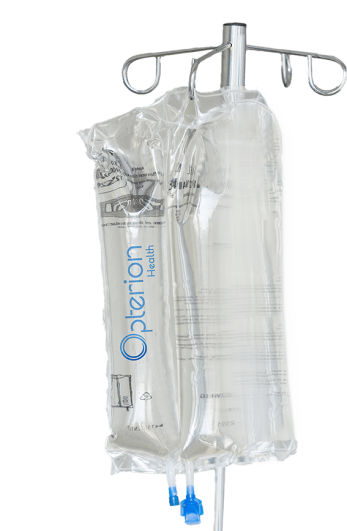
Soft cleaning process using the patient’s peritoneal membrane as a filter
1. A cleansing fluid (dialysate) is introduced into the patient’s abdomen through a surgically implanted catheter.
2. The dialysate remains in the body for several hours, allowing waste products and excess fluids to pass from the blood into the solution.
3. After the dwell time, the used dialysate, now containing waste products, is drained out.
- Greater flexibility and independence
- Less time-consuming
- Higher first year survival rate (2-fold higher)
- Extended treatment duration
- Significantly better outcome for patients with heart failure (10% of dialysis patients)
- Better preservation of kidney function, gentler on the body
- Cost-effective: reduced need for infrastructure and personnel
- Annual Cost per patient: USD 40’000*
HOW PERITONEAL
DIALYSIS (PD) WORKS
Filling
Dwelling
Draining
Repeats per day
Current daytime dwell solutions for PD rely on glucose, leading to metabolic health issues, specifically for diabetic patients (45% of dialysis patients).
- Glucose Absorption: patients absorb 100-300g of glucose per day (36-110kg per year), equivalent to consuming 3-8 cans of Coca-Cola® daily.
- Peritoneum Deterioration: the glucose load and high osmotic pressure cause serious deterioration of the peritoneum, shortening the treatment life.
- Metabolic Impact: glucose absorption leads to weight gain and high insulin spikes, causing inflammation in the body.
- Icodextrin® (Baxter): is based on complex polysaccharides, lacking the osmotic power required for day dwells.
OPTERION ODR IS A NON-GLUCOSE BASED OSMOTIC DRIVER FOR DAY AND NIGHT DWELLS
Fast acting, with continuous fluid elimination during day and night dwells
- Personalized therapy due to different concentrations
- Reduced insulin response
- Novel patent-protected composition
- Comprising Decadextrin – the Opterion new polysaccharide – and maltose
Constant fluid elimination during short and long dwells
- Efficient ultrafiltration and clearance at every dwell
- Improved patients’ quality of life
Fast acting, non-glucose-based osmotic driver
Reduced weight gain, glucose, and insulin blood levels
Fast and efficient dialysis at reduced osmotic pressure
Peritoneal membrane is protected and prolonges treatment duration
Flexible osmotic strength (different concentrations available)
Optimal adaptation for patients’ dialysis needs
Polysaccharide osmotic driver with near-neutral pH
- Residual renal function preserved
- No/low pain during dwell time
Less Glucose Degradation Products (GDP)
Peritoneal membrane protected (reduced risk of peritonitis, longer PD use, preserved residual renal function)
Combination of all
- Decreased dialysis side effects and improved quality of life
- Prolonged PD therapy duration
- Increasing attractivity of PD as dialysis therapy vs HD
- Cost savings
Management Team
Peter Reinemer Ph.D. MBA
Chief Executive Officer
Guido Grentzmann Ph.D.
Chief Scientific Officer / Founder
Ulrike Grimm Ph.D.
Chief of Staff / Head Project Management
Maxim Voropaiev M.D.
Chief Medical Officer
Daniel Lustenberger CPA, EMBA
Chief Financial Officer
Mylène Fleurant M.Sc.
Head Quality Assurance
Marc Willuhn Ph.D., MBA
Head CMC / Manufacturing
Board of Directors
David Ebsworth Ph.D.
Chairman
Ricardo Cordero Ph.D.
Vice Chairman
Jan-Anders Karlsson Ph.D.
Board Member
Opterion – disrupting
one of the largest global healthcare markets